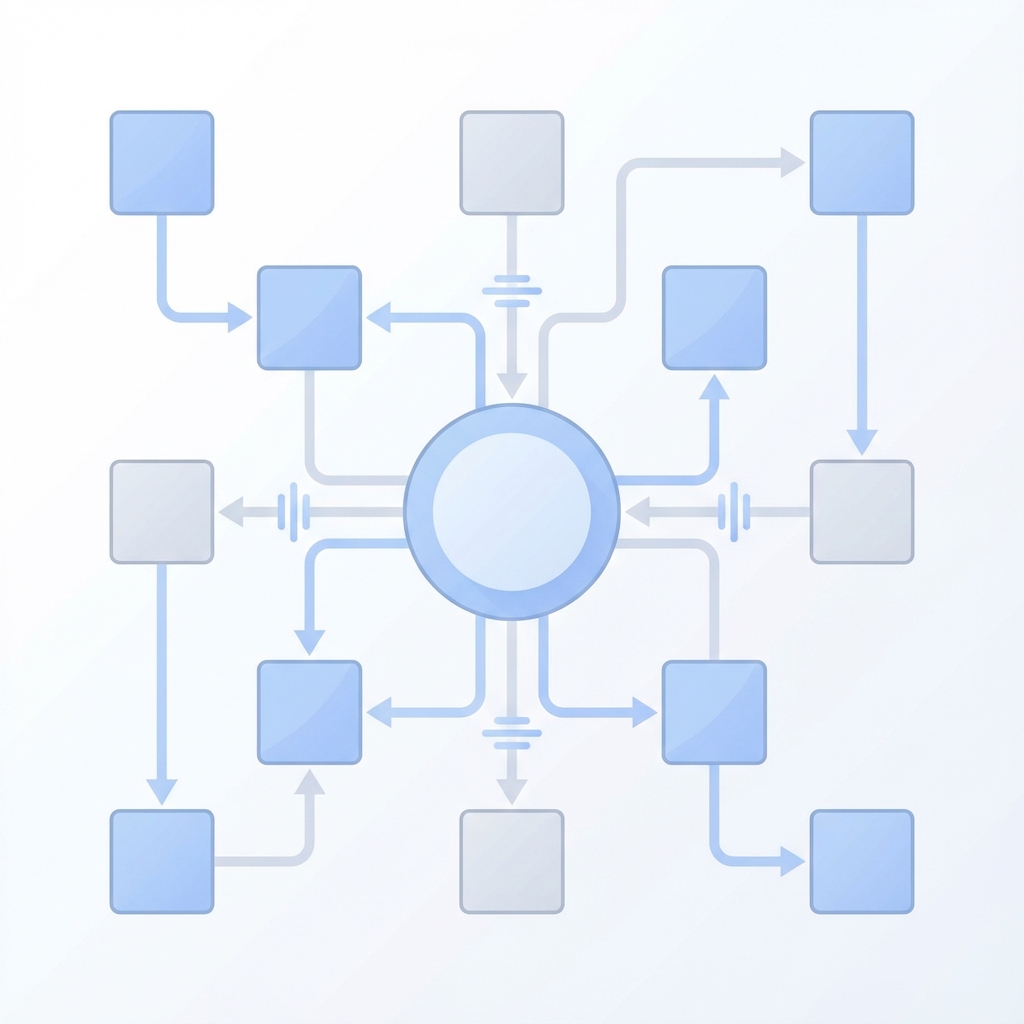
State Management in 2026: Why We Chose Zustand over Context
Managing global state in React has historically been a point of friction. From Redux's boilerplate to Context's re-rendering issues, developers have sought a middle ground. Enter Zustand.
The Problem with Context API
React Context is designed for "Compound Components" or passing low-velocity data (like Theme or User Auth) down the tree. It is not optimized for high-frequency state updates.
The Re-render Trap: If you store a large object in Context, any change to any part of that object forces every component consuming that Context to re-render, even if they explicitly only use a piece of data that didn't change.
Why Zustand?
-
Atomic Selectors: Zustand allows components to subscribe to slices of the state. usage of hooks means a component only re-renders if the specific slice it "selected" changes.
const bears = useStore((state) => state.bears) -
No Provider Hell: Zustand stores exist outside the React tree. You don't need to wrap your app in
<Provider>tags. -
Simplicity: It's a tiny library with a minimal API, yet handles complex patterns like async actions and middleware.
When to use what?
- Local State (
useState): For form inputs, toggles, and data isolated to a single component. - Server State (React Query / SWR): For data fetching. Keep your server data separate from your UI state.
- Global UI State (Zustand): For sidebar toggles, shopping carts, active filters, or user preferences.
- Dependency Injection (Context): For themes or styling configurations that rarely change.
Conclusion
For the UI Encyclopedia, keeping the application performant while managing complex filters and user flows was critical. Zustand provided the perfect balance of simplicity and power, allowing us to avoid unnecessary re-renders without the boilerplate of Redux.